by Capital Tool Industries | Oct 9, 2026 | Uncategorized
Introduction
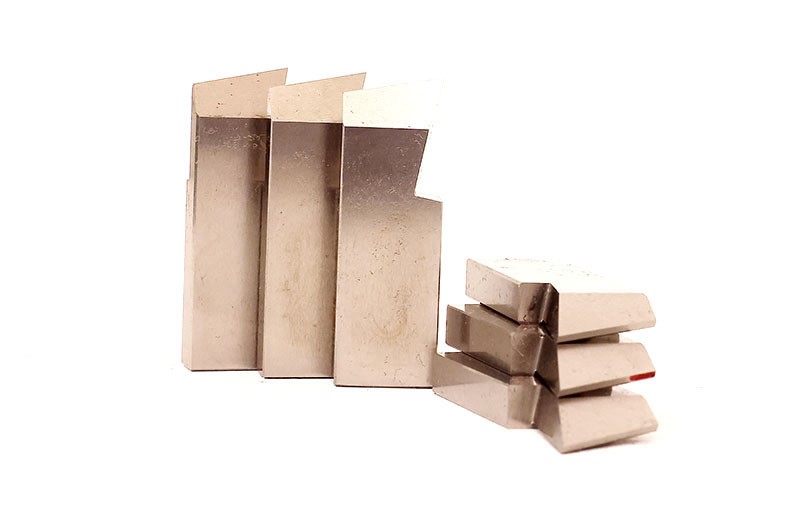
Bevel blades are essential cutting components used in a wide range of industrial applications, including paper converting, packaging, metal processing, plastics, textiles, and food production. Their angled cutting edges are designed to provide efficient, precise, and clean cuts. Among the most commonly used types are straight bevel blades and spiral bevel blades. While both serve similar cutting purposes, their design characteristics and performance differ significantly.
Understanding these differences helps manufacturers choose the right blade for their specific production requirements, improving efficiency, product quality, and operational costs.
What Are Straight Bevel Blades?
Straight bevel blades feature a cutting edge that is ground at a consistent angle along a straight line. The bevel extends uniformly across the blade, creating a sharp and durable cutting edge.
Key Features
- Simple and robust design
- Uniform cutting angle
- Easy to manufacture and sharpen
- Cost-effective solution for general cutting applications
- Suitable for medium-speed operations
Advantages of Straight Bevel Blades
1. Cost Efficiency
Straight bevel blades are generally less expensive to produce due to their simpler geometry and manufacturing process.
2. Easy Maintenance
Their straightforward design makes sharpening and reconditioning easier, extending blade life and reducing replacement costs.
3. Reliable Performance
For many standard cutting tasks, straight bevel blades deliver consistent and dependable results.
Choosing the Right Bevel Blade
Selecting between straight and spiral bevel blades depends on several factors:
Material Type
Harder, delicate, or precision-sensitive materials often benefit from spiral bevel blades due to their smoother cutting action.
Production Speed
High-speed manufacturing environments typically achieve better results with spiral bevel designs.
Budget Considerations
For standard applications where extreme precision is not required, straight bevel blades offer an economical solution.
Maintenance Requirements
Organizations seeking simple maintenance procedures may prefer straight bevel blades, while those prioritizing performance may invest in spiral bevel alternatives.
Conclusion
Both straight and spiral bevel blades play vital roles in industrial cutting operations. Straight bevel blades offer simplicity, affordability, and reliable performance for general applications, while spiral bevel blades provide superior cutting smoothness, precision, and efficiency for demanding production environments.
By carefully evaluating material requirements, production speeds, quality standards, and maintenance considerations, businesses can select the bevel blade design that delivers the best balance of performance and cost for their operations.
by Capital Tool Industries | Oct 3, 2026 | Uncategorized
Splines are critical mechanical features used to transmit torque and rotational motion between shafts, gears, couplings, and other power transmission components. Found in industries ranging from automotive and aerospace to heavy machinery and industrial equipment, splines require exceptional accuracy to ensure smooth operation, durability, and reliable performance.
One of the most efficient and widely used tools for manufacturing splines is the Spline Hob. Designed for precision gear and spline cutting, spline hobs enable manufacturers to produce consistent and accurate spline profiles with high productivity and repeatability.
What Are Spline Hobs?
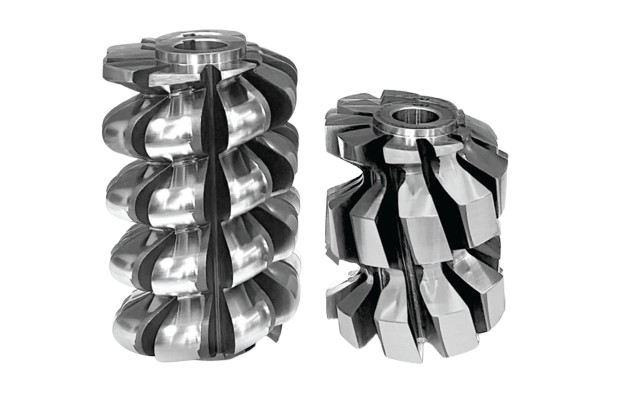
Spline hobs are specialized rotary cutting tools used to machine external splines on cylindrical workpieces through a process known as hobbing. These tools feature a series of precisely engineered cutting teeth arranged in a helical pattern around the hob body.
As the hob and workpiece rotate in synchronization, the cutter progressively removes material to generate the required spline profile. This continuous cutting process allows for high production rates while maintaining exceptional dimensional accuracy.
How Spline Hobbing Works
Spline hobbing is a generating process where the hob and workpiece rotate together at a predetermined ratio.
The process typically involves:
- Mounting the spline hob on the hobbing machine.
- Securing the workpiece in the machine fixture.
- Synchronizing the rotational movement of the hob and workpiece.
- Feeding the hob into the material.
- Generating the spline profile through continuous cutting action.
Because the cutting process is continuous, spline hobbing is significantly faster than many alternative machining methods.
Conclusion
Spline hobs are indispensable tools for producing high-quality spline components used across a wide range of industries. Their ability to generate accurate spline profiles efficiently and consistently makes them one of the most effective solutions for modern spline manufacturing.
From automotive transmissions and aerospace systems to industrial machinery and heavy equipment, spline hobs play a critical role in ensuring reliable power transmission and mechanical performance. As manufacturing technologies continue to evolve, spline hobs will remain at the forefront of precision machining, helping manufacturers achieve greater productivity, accuracy, and operational excellence.
by Capital Tool Industries | Sep 25, 2026 | Uncategorized
As industries continue to demand higher productivity, greater precision, and shorter production cycles, gear manufacturing technologies have evolved significantly. Among the most innovative advancements in recent years is power skiving, a highly efficient gear-cutting process that enables manufacturers to produce internal and external gears with exceptional accuracy and speed.
At the heart of this technology lies the Power Skiving Cutter—a specialized cutting tool engineered to perform complex gear machining operations in a single setup. Widely used in the automotive, aerospace, robotics, and industrial machinery sectors, power skiving cutters have become essential for modern gear production.
This article explores the features, advantages, applications, and growing importance of power skiving cutters in today’s manufacturing landscape.
What Are Power Skiving Cutters?
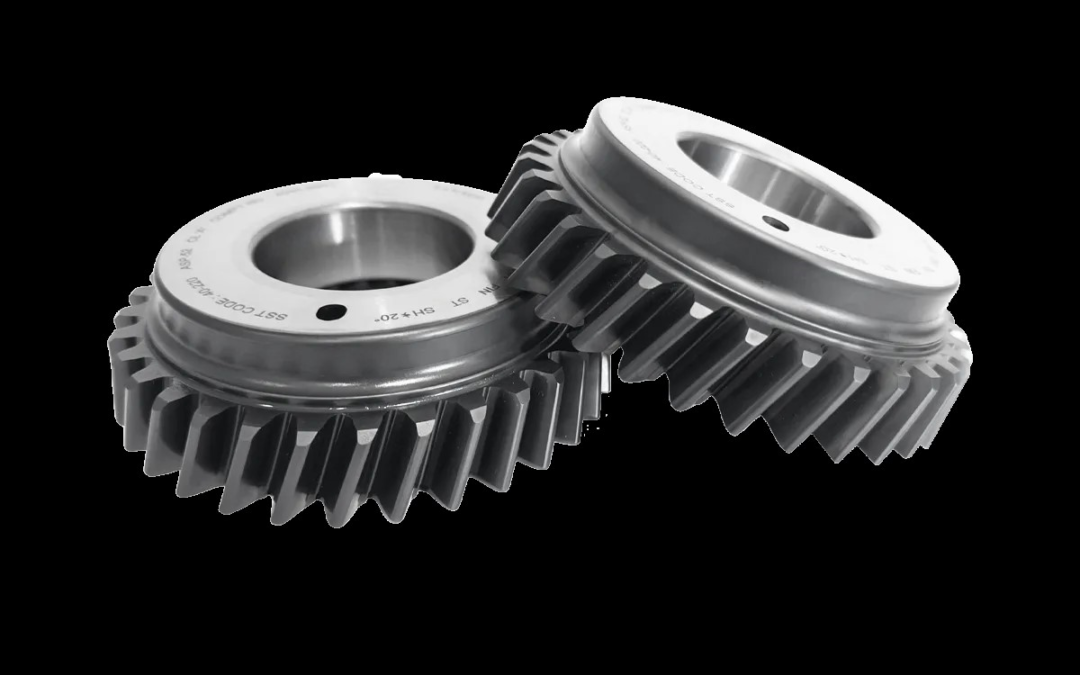
Power skiving cutters are precision gear-cutting tools designed for the power skiving process, a machining method that combines elements of hobbing and shaping. The cutter and workpiece rotate simultaneously at a specific angular relationship, allowing material to be removed efficiently while generating precise gear tooth profiles.
Unlike traditional gear shaping, power skiving operates at significantly higher cutting speeds, making it ideal for high-volume production environments where accuracy and productivity are equally important.
How Power Skiving Works
In power skiving, the cutter axis is positioned at a specific angle relative to the gear blank. Both the cutter and workpiece rotate in synchronization while the cutter advances into the material.
Key Features of Power Skiving Cutters
1. High-Precision Tooth Profiles
Power skiving cutters are manufactured with extremely accurate cutting geometries to ensure precise gear tooth generation.
2. Optimized Cutting Edge Design
Advanced cutting-edge configurations improve chip evacuation, reduce cutting forces, and enhance machining efficiency.
3. Superior Surface Finish
The cutting action produces smooth tooth surfaces, often reducing the need for secondary finishing operations.
4. High-Speed Machining Capability
Power skiving cutters are specifically designed to operate at elevated cutting speeds while maintaining stability and accuracy.
Conclusion
Power skiving cutters have transformed gear manufacturing by offering a faster, more efficient alternative to traditional gear shaping methods. Their ability to produce high-precision internal and external gears with exceptional productivity makes them an invaluable tool in modern manufacturing.
From automotive transmissions and aerospace gearboxes to robotics and industrial machinery, power skiving cutters enable manufacturers to achieve superior gear quality while reducing production costs and cycle times. As CNC technology, tooling materials, and automation continue to advance, power skiving cutters will remain at the forefront of next-generation gear production.
by Capital Tool Industries | Sep 19, 2026 | Uncategorized
Rack type cutters are precision tools used in gear manufacturing to shape and finish gear racks. They play an important role in making sure mechanical systems like steering units, gearboxes, and industrial machines run smoothly and accurately.
What is Rack Type Cutter?
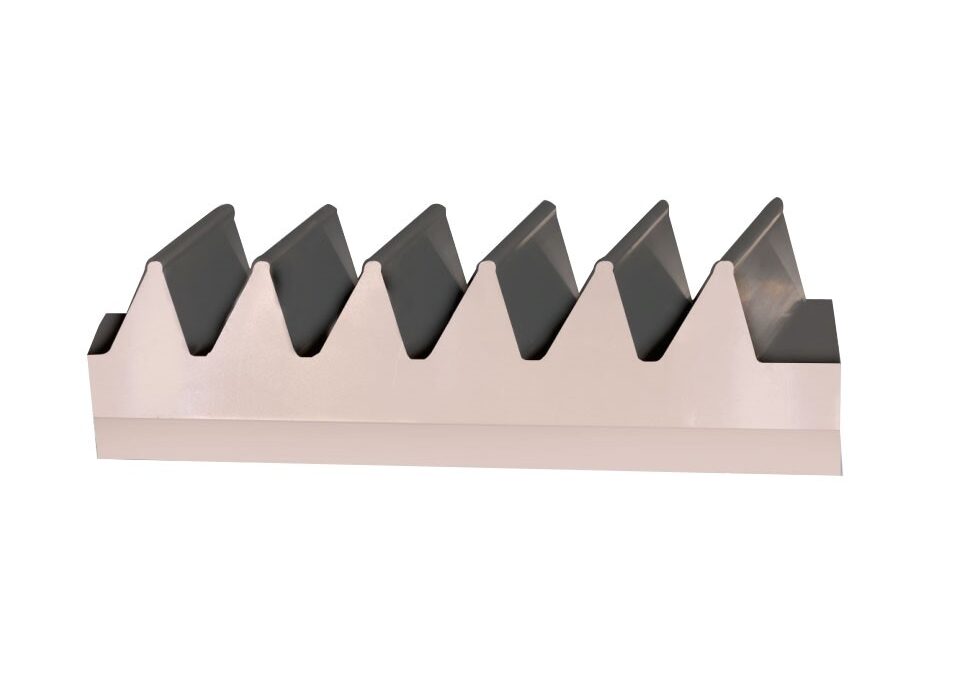
A rack type cutter is a cutting tool designed to refine the teeth of a gear rack after the initial machining process. When a rack is first produced, it is only roughly shaped using methods like milling or hobbing. At this stage, the tooth profile is not fully accurate.
The rack type cutter is used in the finishing stage to correct small errors and improve the final shape of the teeth.
How a Rack Type Cutter Works
A rack type cutter works by lightly cutting and finishing gear rack teeth after they are roughly made. The rack is fixed on a machine, and the cutter moves along it to remove a very thin layer of material.
This improves tooth accuracy, surface finish, and ensures smooth and quiet gear operation.
Applications of Rack Type Cutters
Rack type cutters are widely used in industries where precision is critical, such as:
Rack type cutters are used in industries where precision gear racks are needed for smooth mechanical movement. They help ensure accurate tooth profiles and reliable performance in many machines.
They are commonly used in automotive systems, especially in steering mechanisms where smooth and precise movement is important. They are also used in industrial gearboxes, where power needs to be transmitted efficiently with minimal noise and vibration.
In heavy machinery, rack type cutters help produce strong and durable gear components that can handle high loads. They are also used in robotics and automation systems, where accurate motion control is essential.
In simple terms, rack type cutters are used wherever accurate, smooth, and reliable gear rack movement is required.
Rack Type Cutter Explained
Different types of rack cutters are used depending on the requirement:
- standard rack type cutter is the most basic version. It is used for general-purpose cutting where extreme precision is not required. It works well for normal gear rack production and light industrial use.
- high precision rack cutter is made for jobs where accuracy matters a lot. It produces very clean and exact tooth profiles, which helps gears run more smoothly with less noise and vibration. These are used in industries like automotive and machinery where performance is critical.
- profile rack cutter is designed for special or custom tooth shapes. Instead of a standard design, it matches specific gear profiles, making it useful for specialized machines or custom engineering work.
- carbide rack cutter uses carbide tips, which are much harder than normal steel. This allows faster cutting speeds and better resistance to wear and heat, making it suitable for large-scale or high-speed production.
In short, each type of rack cutter is made for a different balance of accuracy, strength, and speed, depending on what the manufacturing process needs.
Conclusion
Rack type cutters are essential tools in gear manufacturing. They transform rough gear racks into highly accurate components that ensure smooth, quiet, and efficient machine operation. Without this finishing process, modern mechanical systems would not achieve the level of precision they require.
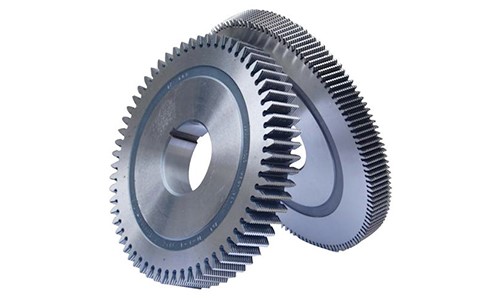
by Capital Tool Industries | Sep 11, 2026 | Uncategorized
Gear shaving cutters are precision cutting tools used in the finishing stage of gear manufacturing. They play a key role in improving gear accuracy, surface finish, and noise reduction—especially in high-performance automotive, aerospace, and industrial transmissions.
What Are Gear Shaving Cutters?
A gear shaving cutter is a specialized tool used in the gear shaving process, which is a finishing operation performed after gear hobbing or shaping. Instead of removing large amounts of material, shaving cutters remove very small chips to refine the gear tooth profile.
They are typically made from high-speed steel (HSS) or powdered metallurgy (PM) steel and are designed with serrated cutting edges.
How Gear Shaving Works
Gear shaving is a finishing process used to improve gear accuracy and surface finish. It uses a special gear shaver cutter that meshes with the gear like two gears in motion.
Both the cutter and gear rotate together, and the cutter removes a very thin layer of material from the gear teeth. This helps correct small errors and makes the gear smoother and more accurate. It is mainly used before heat treatment for better performance and quiet operation.
Types of Gear Shaving Cutters
Gear shaving cutters are used for finishing gears and improving their accuracy, surface finish, and noise performance. Different types are selected based on gear design and production needs.
- Cylindrical Shaving Cutters
These are the most commonly used cutters for external gears. They are widely used in the automotive industry due to their high productivity and ability to produce accurate gear profiles.
- Diagonal Shaving Cutters
These cutters are mainly used for helical gears. Their angled cutting action improves surface finish, increases tool life, and reduces gear noise during operation.
- Underpass / Plunge Shaving Cutters
These are used for internal gears or complex gear profiles where normal cutting is difficult. They allow localized correction of tooth errors and are suitable for special applications.
- Power Shaving Cutters
These cutters are designed for high-speed and mass production environments. They are used in industries where large quantities of gears must be finished with consistent quality and efficiency.
Applications of Gear Shaving
Gear shaving is used to improve gear accuracy and surface finish after cutting. It is mainly applied in the automotive industry for gearbox and transmission gears. It is also used in industrial machinery like pumps and gearboxes for smooth operation.
In the aerospace, marine, and defense industries, it is used for high-precision gears where reliability, low noise, and accurate meshing are important.
Materials Used in Gear Shaving Cutters
Gear shaving cutters are usually made from High-Speed Steel (HSS) because it offers good wear resistance and toughness for finishing operations. For high-speed production, carbide is used as it provides higher hardness, longer tool life, and better cutting performance.
The choice of material depends on production speed, gear material, and required accuracy, ensuring smooth and precise gear finishing.
Conclusion
Gear shaving cutters are essential tools in modern gear manufacturing. They bridge the gap between rough machining and final finishing, offering a balance of precision, efficiency, and cost-effectiveness. As industries demand quieter, more efficient mechanical systems, the importance of gear shaving technology continues to grow.