by Capital Tool Industries | Sep 5, 2026 | Uncategorized
Introduction
In modern manufacturing and machining operations, achieving precision and efficiency often begins with effective material preparation. Before finishing processes can deliver smooth surfaces and accurate dimensions, excess material must first be removed quickly and economically. This is where Scalping Cutters play a vital role.
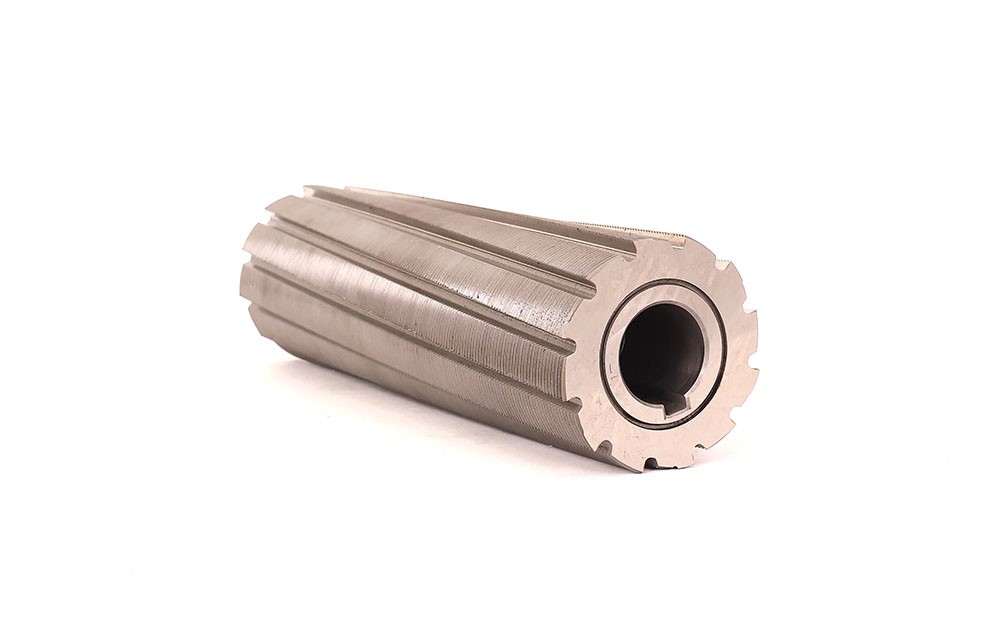
Scalping cutters are specialized cutting tools designed for rapid stock removal, surface conditioning, and preparation of workpieces for subsequent machining operations. Widely used in metalworking, steel processing, forging, casting, and heavy manufacturing industries, these cutters help improve productivity, reduce machining time, and enhance overall product quality.
What Are Scalping Cutters?
Scalping cutters are machining tools specifically engineered to remove a thin layer of material from the surface of a workpiece. The process, known as scalping, eliminates surface imperfections, oxide layers, casting defects, and excess material while creating a uniform surface for further processing.
Unlike finishing tools, scalping cutters focus on high material removal rates rather than achieving the final surface finish. Their robust design allows them to withstand heavy cutting loads while maintaining consistent performance.
How Scalping Cutters Work
During the scalping process, the cutter rotates at controlled speeds while engaging the workpiece surface. The cutting edges remove a predetermined layer of material, exposing a cleaner and more uniform substrate beneath.
Conclusion
Scalping cutters are indispensable tools in modern manufacturing, providing efficient material removal and reliable surface preparation for a wide range of industrial applications. Their ability to eliminate surface defects, improve productivity, and support downstream machining processes makes them a critical component in metalworking, forging, casting, and heavy manufacturing operations.
As industries continue to pursue greater efficiency, precision, and automation, scalping cutters will remain a key technology for achieving high-quality results while reducing production costs and improving operational performance. By selecting the right cutter design, material, and maintenance strategy, manufacturers can maximize productivity and ensure consistent machining success.
by Capital Tool Industries | Aug 28, 2026 | Uncategorized
Introduction
In the gear manufacturing industry, precision is everything. Even the smallest deviation in gear geometry can affect performance, increase noise and vibration, reduce efficiency, and shorten the lifespan of mechanical systems. To ensure gears meet strict quality standards, manufacturers rely on specialized inspection tools known as Master Gears.
Master gears play a crucial role in gear measurement, calibration, and quality control processes. They serve as highly accurate reference standards against which production gears are tested and evaluated. Whether used in automotive transmissions, aerospace gearboxes, industrial machinery, or precision engineering applications, master gears help ensure that every gear leaving the production line performs exactly as intended.
What Are Master Gears?
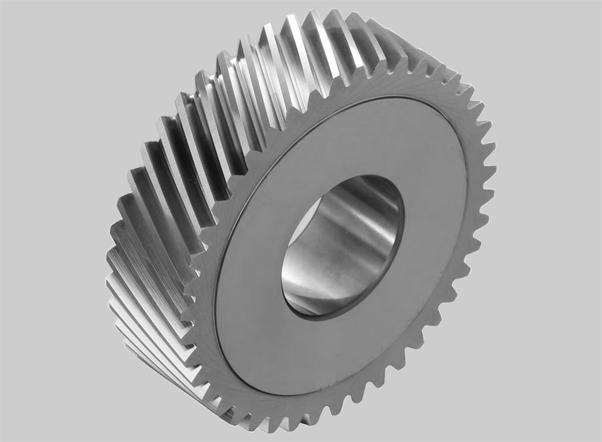
A master gear is a precision-manufactured reference gear used to inspect, verify, and calibrate other gears during production and quality control processes. These gears are produced to extremely tight tolerances and certified to meet specific accuracy standards.
Unlike working gears that transmit power, master gears are primarily used as inspection tools. They are designed to mesh with production gears and identify variations in tooth profile, pitch, runout, concentricity, and other critical parameters.
Master gears help manufacturers maintain consistency, improve product quality, and comply with international gear standards.
How Master Gears Work
Master gears are typically used in double-flank or single-flank rolling tests.
Double-Flank Rolling Test
In this method:
- The production gear is meshed with the master gear.
- Both gears rotate together under controlled conditions.
- Variations in center distance are measured.
- Deviations indicate gear inaccuracies.
This test is commonly used for evaluating total composite errors and overall gear quality.
Single-Flank Rolling Test
In this process:
- The master gear and test gear rotate in precise synchronization.
- Angular transmission errors are measured.
- Results provide detailed information about gear performance.
Single-flank testing is often used for high-precision applications requiring detailed analysis.
Conclusion
Master gears are indispensable tools in gear manufacturing, serving as the benchmark for precision, consistency, and quality assurance. By providing an accurate reference for gear inspection and calibration, they help manufacturers maintain strict quality standards, reduce production errors, and deliver reliable products to customers.
From automotive transmissions and aerospace systems to industrial machinery and advanced engineering applications, master gears play a vital role in ensuring the performance and durability of critical gear components. As manufacturing continues to embrace automation, digital inspection, and higher precision standards, master gears will remain a cornerstone of effective gear quality control.
by Capital Tool Industries | Aug 22, 2026 | Uncategorized
Introduction
In modern manufacturing, precision cutting tools are essential for maintaining product quality, maximizing efficiency, and reducing production costs. Among the specialized tools used in industrial cutting operations, Konvoid blades have gained recognition for their accuracy, durability, and ability to deliver consistent cutting performance across a wide range of materials.
Designed to meet the demands of high-speed and high-precision manufacturing environments, Konvoid blades are widely used in industries such as packaging, paper processing, plastics, textiles, rubber converting, and specialty manufacturing. Their unique geometry and engineered cutting edges help achieve clean cuts, minimize material waste, and enhance overall production efficiency.
This article explores the features, benefits, applications, and importance of Konvoid blades in modern industrial operations.
What Are Konvoid Blades?
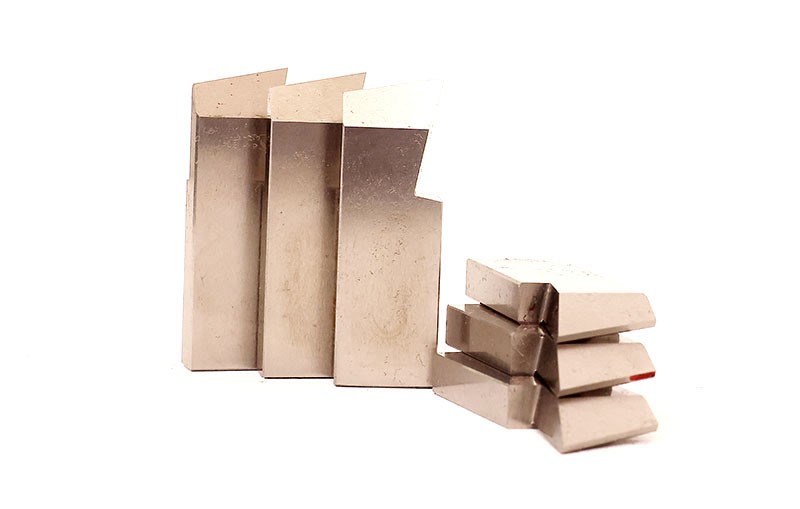
Konvoid blades are precision-engineered industrial cutting blades designed for applications that require exceptional cutting accuracy and smooth material processing. They are manufactured using advanced grinding techniques and high-quality materials to ensure reliable performance under demanding operating conditions.
These blades are commonly used in rotary and converting equipment where precise slitting, trimming, cutting, or separating operations are critical to product quality.
Benefits of Using Konvoid Blades
Improved Product Quality
A precise and stable cutting edge ensures clean cuts, accurate dimensions, and consistent finished products.
Increased Production Efficiency
Reduced cutting force requirements allow machinery to operate smoothly, improving throughput and productivity.
Lower Maintenance Costs
Long-lasting cutting edges reduce the frequency of blade changes and maintenance interventions.
Reduced Material Waste
Accurate cutting minimizes scrap generation and helps optimize raw material utilization.
Enhanced Equipment Performance
Well-designed blades contribute to smoother machine operation, reduced vibration, and improved overall system reliability.
Conclusion
Konvoid blades represent a reliable and high-performance solution for precision industrial cutting applications. Their combination of durability, cutting accuracy, and operational efficiency makes them valuable tools in industries ranging from packaging and paper processing to plastics, textiles, and specialty manufacturing.
By selecting the right blade design, material, and maintenance strategy, manufacturers can achieve superior cut quality, reduce operating costs, and enhance overall production performance. As industrial demands continue to grow, Konvoid blades remain an important component in achieving precision, consistency, and long-term manufacturing success.
by Capital Tool Industries | Aug 15, 2026 | Uncategorized
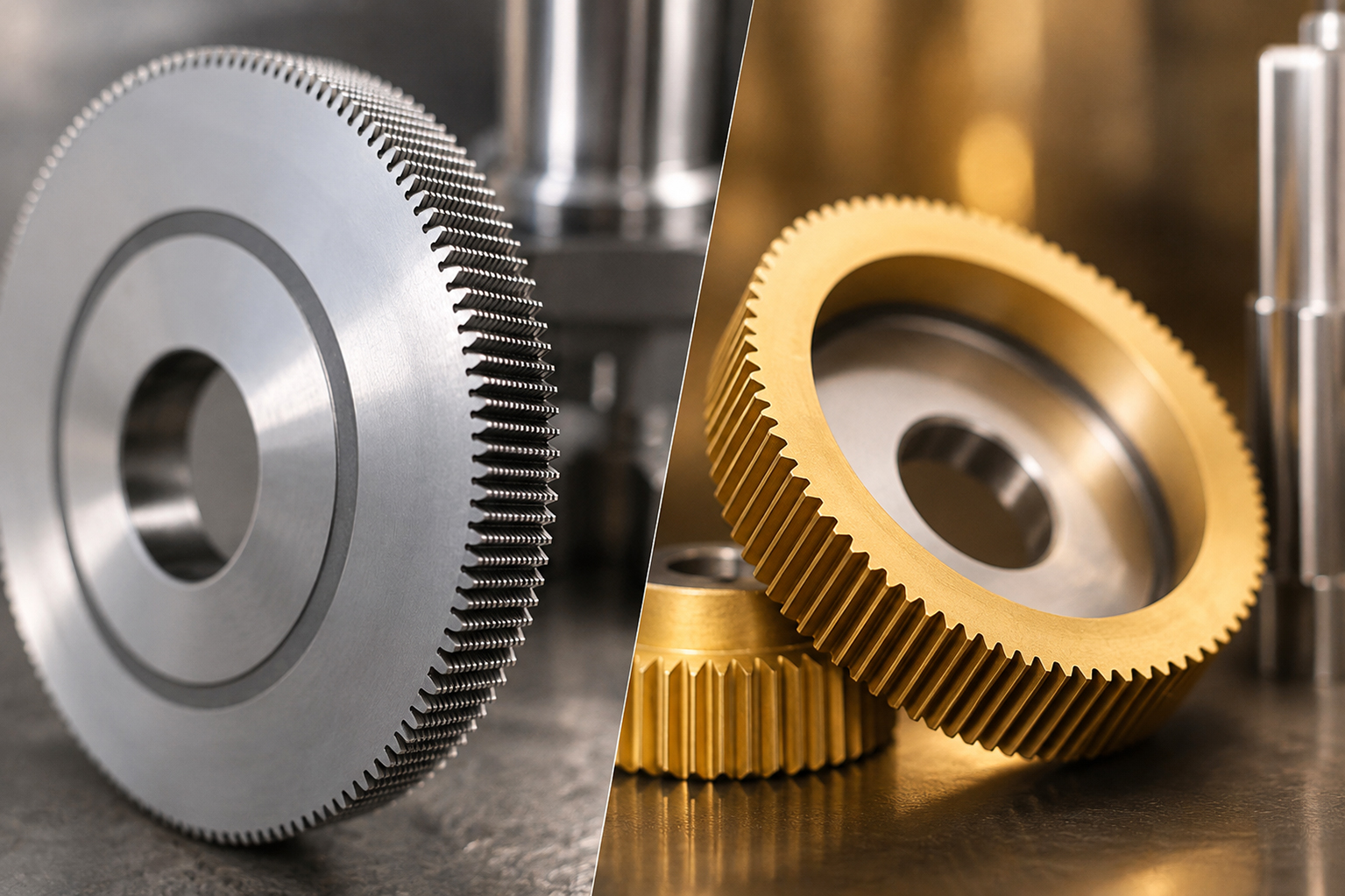
Gears are among the most critical components in mechanical power transmission systems. From automotive transmissions to industrial machinery, the quality and accuracy of gears directly affect performance, efficiency, and durability. Two important tools used in gear manufacturing are gear shaper cutters and gear shaving cutters. Although they may appear similar, they serve very different purposes in the production process.
What is a Gear Shaper Cutter?
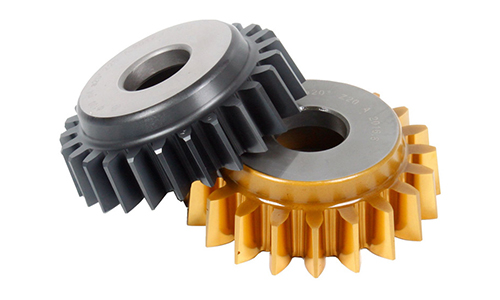
A gear shaper cutter is a cutting tool used to generate gear teeth on a gear blank. It is considered a primary machining tool because it creates the gear tooth profile from solid material.
The cutter resembles a small gear or pinion and is manufactured with precise cutting edges. During operation, the cutter reciprocates vertically while rotating in synchronization with the gear blank. This coordinated motion generates the involute tooth profile required for proper gear meshing.
How It Works
The gear shaper cutter and the gear blank rotate together as though they are meshing gears. As the cutter moves up and down, it removes material during each cutting stroke. Gradually, the tooth spaces are formed until the complete gear profile is produced.
Advantages of Gear Shaper Cutters
- Cuts both external and internal gears
- Can machine gears close to shoulders, flanges, and obstructions where hobbing is difficult.
- Provides high accuracy and good tooth profile generation.
- Versatile—can produce spur gears, helical gears, splines, and sprockets.
- One cutter can be used for different numbers of teeth of the same module and pressure angle.
- Suitable for interrupted surfaces such as gears with keyways or holes.
- Easy to resharpen, giving a longer tool life and reducing tooling costs.
- Economical for small and medium production batches.
Gear shaper cutters are widely used because they offer flexibility, accuracy, and the ability to produce both internal and external gears efficiently.
Limitations of Gear Shaper Cutters
- Lower production rate compared to gear hobbing due to the reciprocating cutting motion.
- Longer machining time, making it less suitable for mass production.
- Higher machine complexity and maintenance requirements.
- Tool wear can affect gear accuracy if not monitored.
- Less economical for large-scale production than hobbing.
- Requires skilled setup and alignment to achieve accurate gear profiles.
- Limited cutting speed because of the reciprocating action of the cutter.
While gear shaper cutters are versatile and can produce internal gears, they are generally slower and less productive than gear hobbing for high-volume manufacturing.
Why Both Processes Are Important
In modern gear manufacturing, creating a gear and refining it are equally important. A gear produced only by shaping may have acceptable geometry but may not meet stringent requirements for noise, smooth operation, or precision.
Shaping establishes the tooth profile, while shaving enhances the final quality by correcting minor deviations and improving surface finish. This combination helps manufacturers achieve the performance standards required in automotive transmissions, industrial gearboxes, and precision mechanical systems.
Typical Gear Manufacturing Sequence
- Material Selection – Choose suitable material according to gear requirements.
- Blank Preparation – Produce the gear blank by casting, forging, or machining.
- Turning and Facing – Machine the blank to the required dimensions.
- Gear Tooth Cutting – Cut teeth using processes such as hobbing, shaping, or milling.
- Heat Treatment – Harden the gear to improve strength and wear resistance.
- Finishing Operations – Perform grinding, shaving, honing, or lapping to improve accuracy and surface finish.
- Inspection and Testing – Check dimensions, tooth profile, pitch, and quality.
- Final Assembly/Packaging – Assemble the gear into the mechanism or prepare it for delivery.
Sequence:
Material Selection → Blank Preparation → Turning/Facing → Gear Tooth Cutting → Heat Treatment → Finishing → Inspection → Assembly.
Conclusion
Gear shaper cutters and gear shaving cutters play distinct but complementary roles in gear manufacturing. The gear shaper cutter is responsible for creating the gear teeth by removing substantial material from a blank, while the gear shaving cutter refines those teeth by removing only a microscopic amount of material to improve accuracy and surface quality.
Understanding the difference between these tools helps manufacturers select the right process for achieving optimal gear performance, longer service life, and higher production efficiency. In simple terms, gear shaping creates the gear, and gear shaving perfects it.
by Capital Tool Industries | Aug 8, 2026 | Uncategorized
Gear manufacturing is one of the most precise areas in mechanical engineering, and among the various methods used, gear shaping stands out for its ability to produce high-accuracy internal and external gears. At the center of this process is a critical tool: the gear shaper cutter.
What is a Gear Shaper Cutter in Gear Manufacturing?
A gear shaper cutter is a specialized cutting tool shaped somewhat like a small gear itself. It is mounted on a gear shaping machine and performs a reciprocating motion while slowly rotating in synchronization with the workpiece.
Instead of slicing material in a single pass, it gradually generates the gear tooth profile through repeated cutting strokes. This makes it highly accurate and ideal for complex gear forms.
How Gear Shaping Works
Gear shaping is a machining process used to cut gears using a gear shaper cutter that moves up and down in a reciprocating motion. The cutter and the gear blank rotate slowly in a synchronized way, similar to two gears meshing together.
During the cutting stroke, the cutter removes a small amount of material, and during the return stroke, no cutting takes place. This process continues until the full gear tooth shape is formed. Gear shaping is mainly used for making internal gears, external gears, and splines with high accuracy and good surface finish.
Types of Gear Shaper Cutters
Gear shaper cutters are classified based on the type of gears they produce. Disk-type cutters are mainly used for external gears, while hub-type cutters are used for internal gears. For complex designs, helical gear shaper cutters are used to produce helical gears with smooth operation.
They are also divided into standard and special cutters, where standard cutters are used for general work and special cutters are designed for specific gear profiles. Another important type includes semi-topping and topping cutters, which help improve tooth accuracy and reduce interference.
The selection of cutter depends on factors like module, pressure angle, and gear type.
Materials Used in Gear Shaper Cutters
Most gear shaper cutters are made from:
- High-Speed Steel (HSS) – commonly M2 or M35 grade
- Powder metallurgy steel (PM-HSS) – for higher wear resistance
These materials ensure durability even under high-speed machining conditions.
Where Gear Shaper Cutters Are Used
Gear shaper cutters are used in industries that require accurate gears and splines. The automotive industry uses them for transmission gears, clutch hubs, and differentials. In the aerospace industry, they are used for precision gear systems in engines and controls.
They are also used in industrial machinery for gearboxes, pumps, and heavy equipment. In marine and defense sectors, they help produce strong and reliable gears for ships and military systems.
Advantages of Gear Shaper Cutters
Gear shaper cutters offer several important benefits in gear manufacturing:
- Ability to produce internal gears and splines
- High accuracy in gear tooth profile
- Suitable for gears in blind holes and confined spaces
- Can cut complex gear assemblies with ease
- Produces good surface finish and smooth operation
These advantages make gear shaper cutters highly useful in precision engineering and modern manufacturing industries.
Conclusion
A gear shaper cutter is a fundamental tool in precision gear manufacturing. Its unique reciprocating cutting action allows engineers to produce accurate, reliable gear profiles that are difficult or impossible to achieve using other methods.
From automotive transmissions to heavy industrial machinery, these cutters play a quiet but essential role in keeping mechanical systems running smoothly and efficiently.