
Introduction
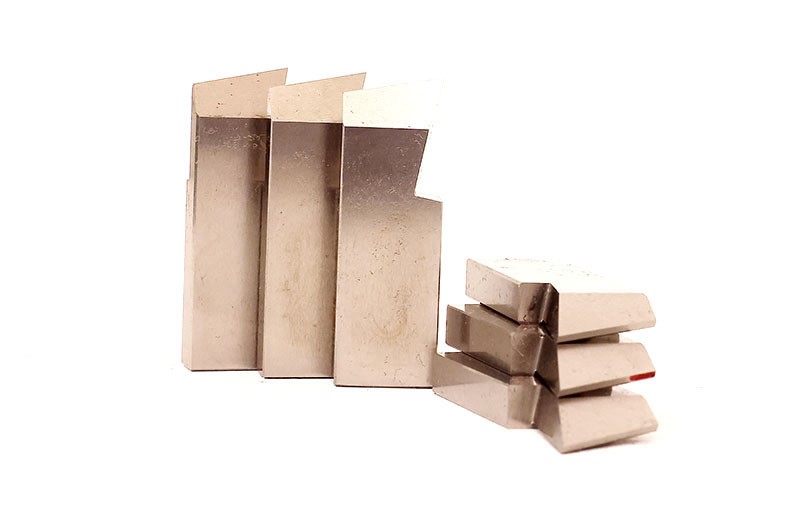
Bevel blades are essential cutting components used in a wide range of industrial applications, including paper converting, packaging, metal processing, plastics, textiles, and food production. Their angled cutting edges are designed to provide efficient, precise, and clean cuts. Among the most commonly used types are straight bevel blades and spiral bevel blades. While both serve similar cutting purposes, their design characteristics and performance differ significantly.
Understanding these differences helps manufacturers choose the right blade for their specific production requirements, improving efficiency, product quality, and operational costs.
What Are Straight Bevel Blades?
Straight bevel blades feature a cutting edge that is ground at a consistent angle along a straight line. The bevel extends uniformly across the blade, creating a sharp and durable cutting edge.
Key Features
- Simple and robust design
- Uniform cutting angle
- Easy to manufacture and sharpen
- Cost-effective solution for general cutting applications
- Suitable for medium-speed operations
Advantages of Straight Bevel Blades
1. Cost Efficiency
Straight bevel blades are generally less expensive to produce due to their simpler geometry and manufacturing process.
2. Easy Maintenance
Their straightforward design makes sharpening and reconditioning easier, extending blade life and reducing replacement costs.
3. Reliable Performance
For many standard cutting tasks, straight bevel blades deliver consistent and dependable results.
Choosing the Right Bevel Blade
Selecting between straight and spiral bevel blades depends on several factors:
Material Type
Harder, delicate, or precision-sensitive materials often benefit from spiral bevel blades due to their smoother cutting action.
Production Speed
High-speed manufacturing environments typically achieve better results with spiral bevel designs.
Budget Considerations
For standard applications where extreme precision is not required, straight bevel blades offer an economical solution.
Maintenance Requirements
Organizations seeking simple maintenance procedures may prefer straight bevel blades, while those prioritizing performance may invest in spiral bevel alternatives.
Conclusion
Both straight and spiral bevel blades play vital roles in industrial cutting operations. Straight bevel blades offer simplicity, affordability, and reliable performance for general applications, while spiral bevel blades provide superior cutting smoothness, precision, and efficiency for demanding production environments.
By carefully evaluating material requirements, production speeds, quality standards, and maintenance considerations, businesses can select the bevel blade design that delivers the best balance of performance and cost for their operations.