
Introduction
In modern manufacturing and machining operations, achieving precision and efficiency often begins with effective material preparation. Before finishing processes can deliver smooth surfaces and accurate dimensions, excess material must first be removed quickly and economically. This is where Scalping Cutters play a vital role.
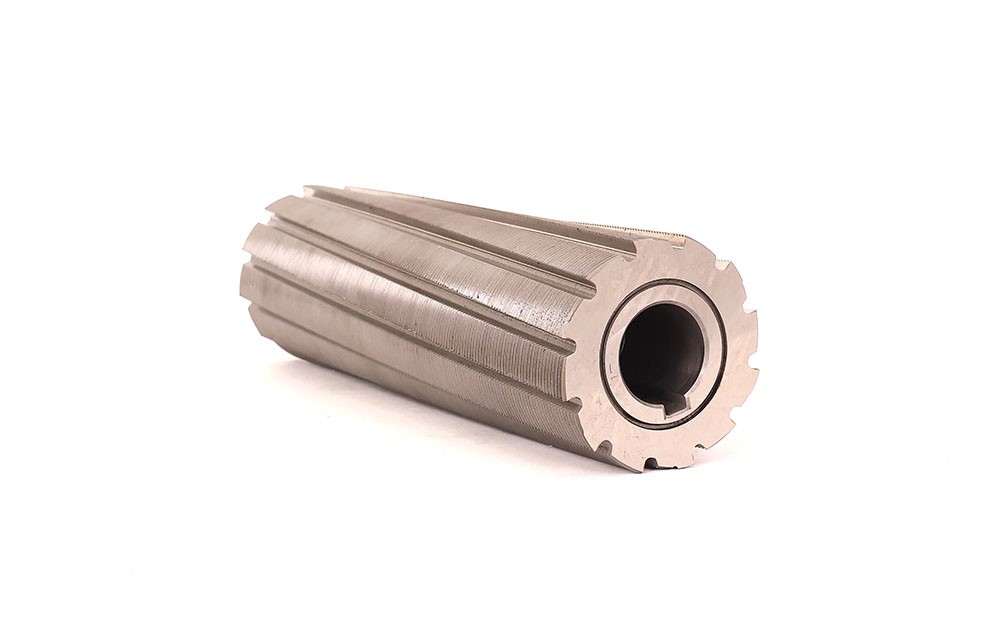
Scalping cutters are specialized cutting tools designed for rapid stock removal, surface conditioning, and preparation of workpieces for subsequent machining operations. Widely used in metalworking, steel processing, forging, casting, and heavy manufacturing industries, these cutters help improve productivity, reduce machining time, and enhance overall product quality.
What Are Scalping Cutters?
Scalping cutters are machining tools specifically engineered to remove a thin layer of material from the surface of a workpiece. The process, known as scalping, eliminates surface imperfections, oxide layers, casting defects, and excess material while creating a uniform surface for further processing.
Unlike finishing tools, scalping cutters focus on high material removal rates rather than achieving the final surface finish. Their robust design allows them to withstand heavy cutting loads while maintaining consistent performance.
How Scalping Cutters Work
During the scalping process, the cutter rotates at controlled speeds while engaging the workpiece surface. The cutting edges remove a predetermined layer of material, exposing a cleaner and more uniform substrate beneath.
Conclusion
Scalping cutters are indispensable tools in modern manufacturing, providing efficient material removal and reliable surface preparation for a wide range of industrial applications. Their ability to eliminate surface defects, improve productivity, and support downstream machining processes makes them a critical component in metalworking, forging, casting, and heavy manufacturing operations.
As industries continue to pursue greater efficiency, precision, and automation, scalping cutters will remain a key technology for achieving high-quality results while reducing production costs and improving operational performance. By selecting the right cutter design, material, and maintenance strategy, manufacturers can maximize productivity and ensure consistent machining success.